


Natural Vitamin E

What Is Natural Vitamin E?

What Is Natural Vitamin E (NVE)?

Vitamin E is a fat-soluble vitamin that exists in synthetic and natural forms. The natural form, often referred to as NVE or RRR-α tocopherol, is more bioactive than the synthetic forms of Vitamin E.
NVE accumulates in the children brain in higher quantities compared to the synthetic forms of vitamin E.1

Benefits of Natural Vitamin E

Protects body cells from oxidative stress

Supports brain health and cognitive development

Contributes to eye health

NVE is as an antioxidant, scavenging loose electrons—so-called “free radicals”—that can damage body cells.

NVE is important for brain development and functioning, as it regulates the brain’s ability to receive and use DHA, protecting it from damage by free radicals.2

NVE has also been found to act as a helper to the nutrient Lutein, enhancing its antioxidant ability to protect delicate eye (retina) cells from oxidative damage.3

Daily Recommended Intake of Natural Vitamin E4

Age groupVitamin E (mg/day)
1-3 years
4-8 years
9-13 years11 
14 years +15 
Adults15 
Pregnant Woman15 
Lactating Woman19 

NOTE: 1 mg of vitamin E is equivalent to 1.49 IU of the natural form (NVE) or 2.22 IU of the synthetic form.

Sources of NVE

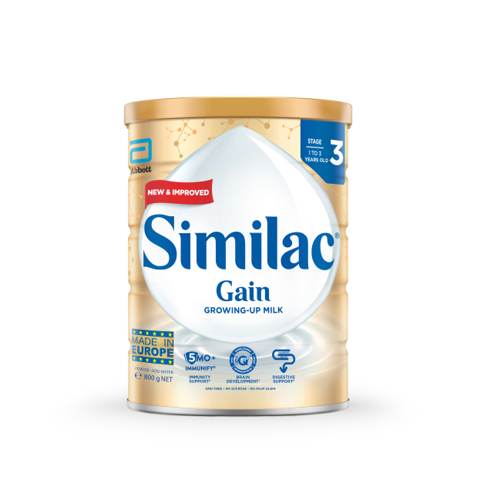
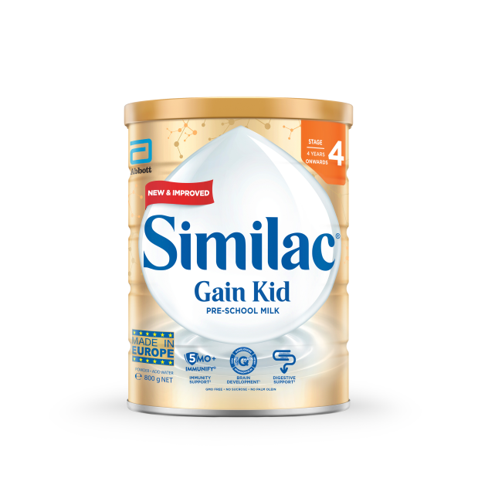
Foods high in natural vitamin E include sunflower seeds, almonds, spinach, avocados, squash, kiwifruit, trout, shrimp, olive oil, wheat germ oil, broccoli, and one’s formula milk.

Signs And Consequences Of Vitamin E Deficiency3

Vitamin E deficiency is extremely rare in humans, as it is quite easy to meet recommended vitamin E intake through the regular diet.

More common causes of vitamin E deficiency include:

  • Prematurity or low birth weight in infants
  • Conditions associated with impaired fat absorption as vitamin E is a fat-soluble vitamin (e.g., lack of pancreatic enzymes, cystic fibrosis, liver disease and poor bile production, short bowel syndrome)
  • Rare genetic abnormalities that cause disruption in vitamin E metabolism

If vitamin E deficiency happens, it may manifest with neurological signs like problems with coordination, balance and speech, decreased night vision, muscle weakness.

Did You Know?

Natural Vitamin E concentrates in children brain regions that are important for learning and memory at 2 times that compared with synthetic forms of vitamin E.1

References:

Kuchan MJ et al. Br J Nutr. 2016 Jul;116(1):126-31.
Lee KH et al. Int J Mol Sci. 2020 Sep 28;21(19):715
Aimjongjun S et al. J Photochem Photobiol B. 2013 Jul 5;124:34-41
National Institute of Health. https://ods.od.nih.gov/factsheets/VitaminE-HealthProfessional/ Assessed on October 5, 2022

SG.2022.32504.AND -PND.1 (v1.0)

Discover more nutrients

Discover Our Products

Related Articles