


Helps in early childhood growth

Arachidonic acid (AA) is an omega-6 polyunsaturated fatty acid. It is an integral part of the fat that forms body cell membranes and is abundant in the brain, muscles, and liver. Linoleic acid, a polyunsaturated essential fatty acid that is typically present in plant oils, is used by the body to naturally create AA.
Along with DHA, AA serves as an important building block for the development of the brain and eyes in children.
Helps in early childhood growth

Important for immunity

Promotes skeletal muscle growth

Contributes to metabolic functions
As AA is a fundamental part of the cell structure, it is particularly needed during a child’s formative years, the period when development and growth is most critical. A child’s physical growth, brain development, and general health depends on AA.
AA is essential for defending the body from invaders like bacteria, viruses, and other chemicals. Additionally, it aids the body’s reaction to attacks from one’s body cells, during the event of an autoimmune disorder.
During the chemical changes that occur after physical exercise, AA is released from its muscle storage, and sends activating signals to the muscle cells to start growth and repair.
Additionally, it supports the fundamental metabolic processes in the brain, eye, and cardiovascular systems.

The daily recommended intake is 100–250 mg/day for normal healthy adults.1 For young children, approximately 102-258 mg/day of AA is recommended.2
Consuming various foods, such as seafood like salmon, chicken eggs, and chicken meat, will also help you get more AA.
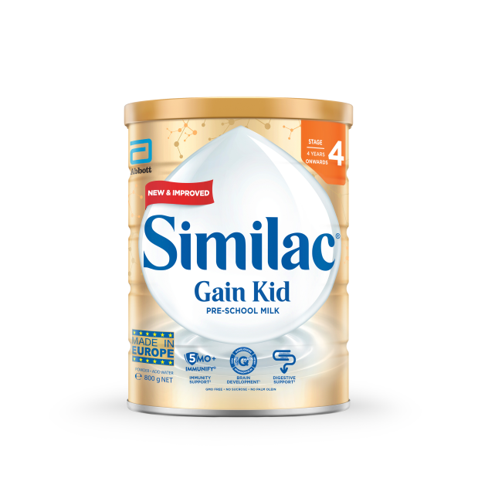
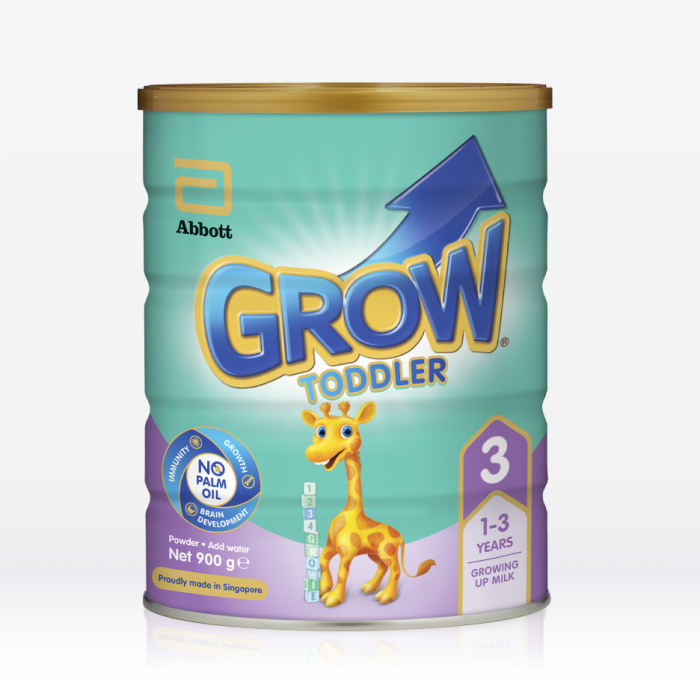
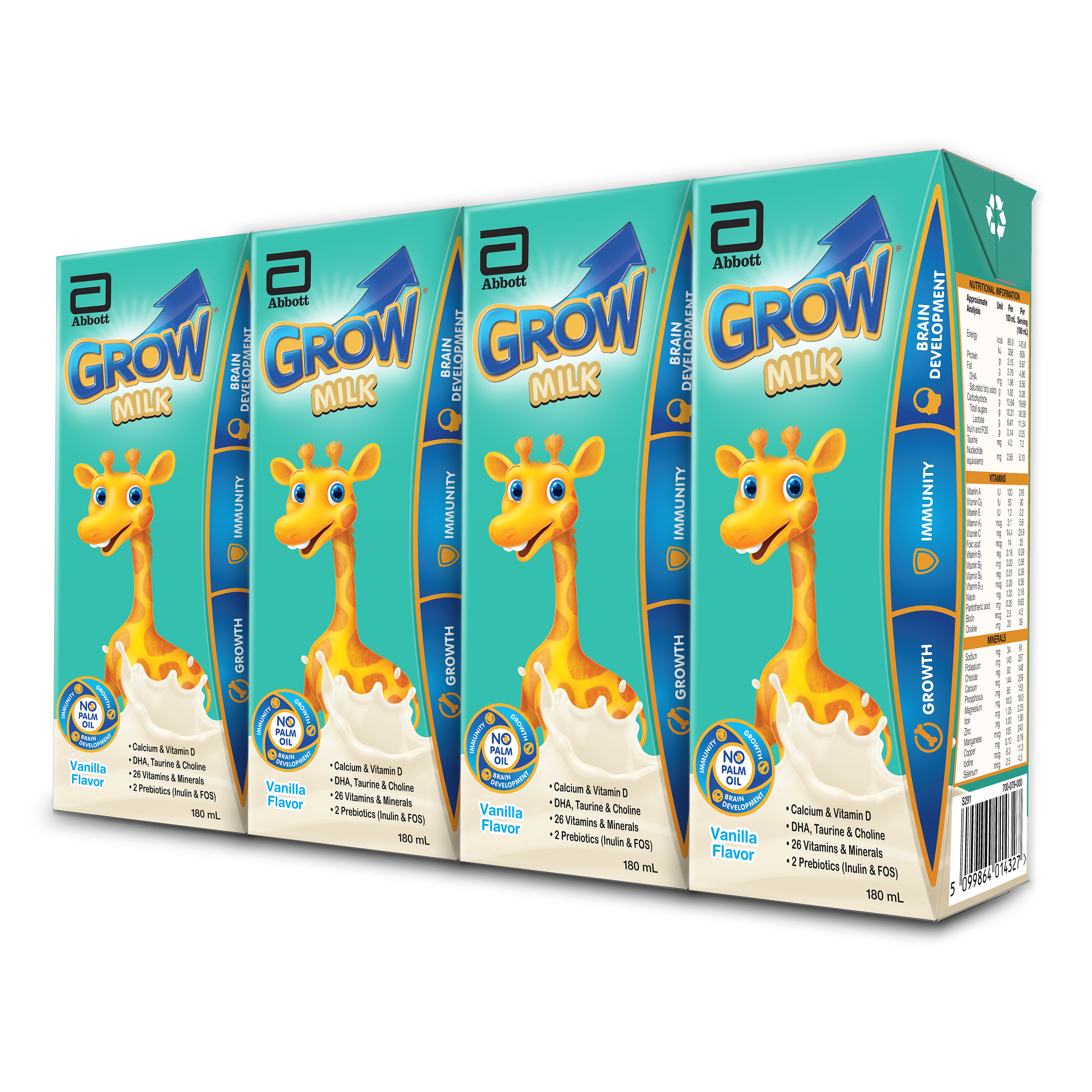
Apart from the solid food below, Growing Up Milk also serves as a good source of AA for children.



Fatigue

Poor memory

Poor wound healing
Arachidonic acid helps increase energy levels (anaerobic capacity) and reduce inflammation.
AA promotes cell survival and enhances the growth of neurons in the brain which helps retain cognitive memory.
Low levels of AA may lead to poor circulations, resulting in more frequent infections or delayed wound healing.
Multiple aspects of brain metabolism, function, and structure depends on having adequate brain concentrations of AA and DHA.
References:
1 Tallima H, El Ridi R. J Adv Res. 2017 Nov 24;11:33-41.
2 Sioen I et al. Br J Nutr. 2007;98:819–825.
SG.2022.33234.AND -PND.1 (v1.1)







Read all about how natural vitamin E can support your little one's brain development. Here are examples of delicious foods with Vitamin E.
Abbott Family - Supporting your nutritional needs for life


© 2024 Abbott. All Rights Reserved.
You are about to exit for another Abbott country or region specific website.
Please be aware that the website you have requested is intended for the residents of a particular country or region, as noted on that site. As a result, the site may contain information on pharmaceuticals, medical devices and other products or uses of those products that are not approved in other countries or regions.
The website you have requested also may not be optimized for your specific screen size.
Do you wish to continue and exit this website?