Tips and advice

Why Immune Health Becomes More Important with Age

As we age, our immune system naturally becomes less efficient - a process known as immunosenescence.1 This makes older adults more vulnerable to infections, slower recovery, and reduced response to vaccines. Supporting your immune system through balanced nutrition can help maintain strength, energy, and overall well-being.

Essential Nutrients to Strengthen the Immune System in Older Adults*

1. Protein: The Foundation for Strong Immunity2

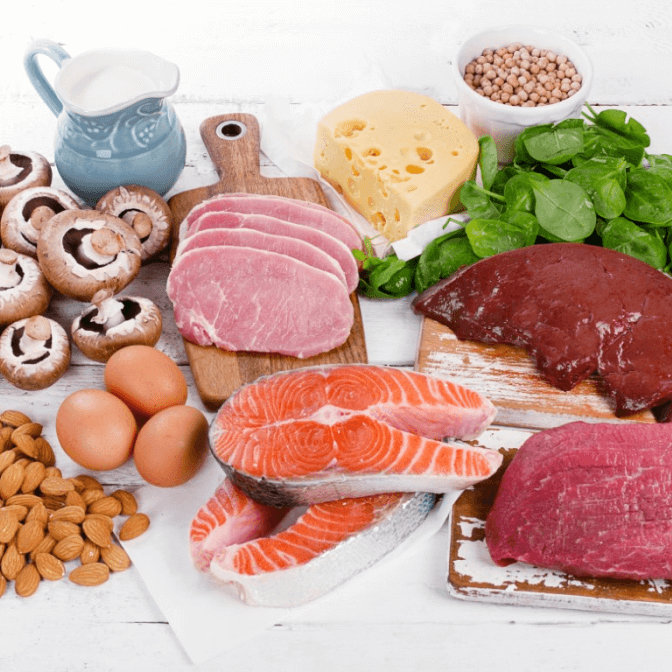
Adequate protein intake helps maintain muscle mass and supports immune cell production. Seniors often eat less protein, so including sources like eggs, fish, dairy, lean meats, beans, and nutrition shakes can help ensure daily needs are met.

2. Vitamin A: Protecting the Body’s First Line of Defence

Vitamin A helps keep the skin, lungs, and digestive tract healthy - all of which act as barriers against germs.3 Include foods like carrots, sweet potatoes, spinach, and fortified dairy products for a natural boost.4

3. Zinc: Key for Immune Cell Function5

Zinc supports wound healing and helps immune cells work effectively. Low zinc levels are common in older adults. Add foods such as lean meats, beans, nuts, and whole grains to your diet, or ask your doctor about zinc supplements if needed.

4. Vitamin D: Immune Regulator and Bone Protector

Vitamin D not only supports bone health but also plays a crucial role in activating the immune response.6 Seniors often have limited sun exposure, so consider fortified foods like milk or cereal, or a supplement as advised by your healthcare provider.7

5. Vitamin C: Antioxidant Protection and Immune Support

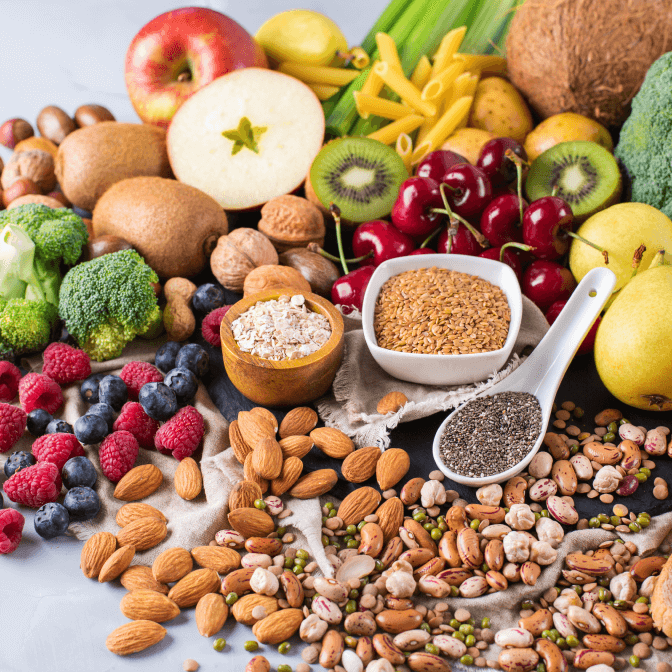
Vitamin C helps the body produce white blood cells and supports tissue repair.8 Citrus fruits, berries, tomatoes, and bell peppers are excellent natural sources.

6. Vitamin E: Protecting Cells from Damage

Vitamin E acts as an antioxidant that shields immune cells from oxidative stress.9 Get more of it through nuts, seeds, and green leafy vegetables.

7. Consider Oral Nutritional Supplements

If you’re struggling to meet your needs through food alone, Oral Nutritional Supplements like Ensure** might help. Discuss options with your doctor or relevant healthcare professional. 

Everyday Tips to Support Immunity for Seniors10

●      Eat a balanced diet rich in colourful fruits, vegetables, whole grains, and lean proteins.

●      Stay hydrated, as dehydration can affect immune function.

●      Get regular gentle exercise, such as walking or swimming, to boost circulation and immune activity.

●      Maintain social connections, since loneliness and stress can weaken immunity.

●      Consider a nutrition supplement, such as a high-protein shake designed for seniors like Ensure** to fill nutrient gaps.

Notes:

*Percent Daily Values are based on a 2,000 Calorie diet.

**Ensure is a Food for Special Medical Purposes. Use only under medical supervision.

Discover more tips and resources


References:

1: Lee, K.-A., Flores, R. R., Jang, I. H., Saathoff, A. & Robbins, P. D. (2022) “Immune Senescence, Immunosenescence and Aging”, Frontiers in Aging, [online]. Available at: https://www.frontiersin.org/journals/aging/articles/10.3389/fragi.2022.900028/full, (Accessed on: 3.9.25).

2: Harris, S. & others (2025) “Protein and Aging: Practicalities and Practice”, Nutrients,  [online]. Available at: https://www.mdpi.com/2072-6643/17/15/2461, (Accessed on: 3.9.25).

3. Huang, Z., Liu, Y., Qi, G., Brand, D. & Zheng, S. (2018) ‘Role of Vitamin A in the Immune System’, Journal of Clinical Medicine,  [online]. Available: https://pmc.ncbi.nlm.nih.gov/articles/PMC6162863/, (Accessed on: 3.9.25).

4. Van Loo-Bouwman, C.A., Naber, T.H., & van Breemen, R. (2014) ‘A review of vitamin A equivalency of β-carotene in various food‐matrices for human consumption’, British Journal of Nutrition, Accessed at: https://www.cambridge.org/core/journals/british-journal-of-nutrition/article/review-of-vitamin-a-equivalency-of-carotene-in-various-food-matrices-for-human-consumption/2F833B9340DA0175C93363600ECBFEED, (Accessed on: 3.9.25).

5. Lin, P. H., Sermersheim, M., Li, H., Lee, P. H. U., Steinberg, S. M. & Ma, J. (2017) “Zinc in Wound Healing Modulation”, Nutrients,  [online]. Available: https://www.mdpi.com/2072-6643/10/1/16, (Accessed on: 3.9.25).

6: Dong, H., Asmolovaite, V., Farnaud, S., & Renshaw, D. (2023) ‘Vitamin D, ageing, and the immune system’, Exploration of Immunity, [online]. Available at: https://www.explorationpub.com/Journals/ei/Article/1003106, (Accessed on: 3.9.25).

7: ‘Influence of vitamin D supplementation on immune function of healthy older adults: A pilot randomized controlled trial’, Nutrients, [online]. Available at: https://www.ncbi.nlm.nih.gov/articles/PMC9664161/, (Accessed on: 3.9.25).

8. Carr, A.C. & Maggini, S. (2017) ‘Vitamin C and immune function’, Nutrients, 9(11), 1211. Available at: https://pmc.ncbi.nlm.nih.gov/articles/PMC5707683/, (Accessed on: 3.9.25).

9. Lee, Y. L. & Han, S. N. (2018) ‘The role of vitamin E in immunity’, Nutrients, 10(11), 1614. Available at: https://www.ncbi.nlm.nih.gov/pmc/articles/PMC6266234/, (Accessed on: 3.9.25).

10: Abbott (2024) Boosting Immunity with Muscle Health. Ensure, Abbott Family. Available at: https://www.family.abbott/sa-en/ensure/tools-and-resources/articles/muscle-health/boosting-immunity-with-muscle-health.html, (Accessed on: 3.9.25).