
Tips and advice

Why Fall Prevention Matters

As we age, changes in muscle strength, vision, reaction time, and balance can increase the likelihood of falling. Even a minor fall can lead to fractures, hospitalization, or a loss of confidence that affects quality of life. Taking small, consistent steps can significantly reduce these risks.

1.  Stay Physically Active

Regular exercise is one of the most effective ways to prevent falls. Physical activity improves:

  • Balance
  • Muscle strength
  • Coordination
  • Flexibility
  • Reaction time

Best Exercises for Fall Prevention

  • Walking
  • Tai Chi
  • Yoga
  • Strength training
  • Water aerobics
  • Balance exercises

Activities that strengthen the legs and core are especially helpful because they improve stability and posture.

2.  Improve Home Safety

Many falls happen inside the home due to common hazards.

Key Home Safety Tips

Remove Tripping Hazards

  • Secure loose rugs
  • Clear clutter from walkways
  • Keep cords out of walking areas

Improve Lighting

  • Use brighter bulbs
  • Install night lights
  • Ensure stairways are well lit

Install Support Features

  • Grab bars in bathrooms
  • Handrails on stairs
  • Non-slip mats in showers

Keep Frequently Used Items Accessible

Avoid climbing stools or ladders whenever possible.

3.  Wear Proper Footwear

Shoes can greatly affect balance and stability.

Choose Shoes That:

  • Fit properly
  • Have non-slip soles
  • Provide arch support
  • Have low heels

Avoid:

  • Slippers without grip
  • High heels
  • Walking in socks on smooth floors

4.  Have Regular Vision and Hearing Checks

Poor eyesight and hearing problems can affect depth perception, awareness, and balance.

Important Steps

  • Get annual eye exams
  • Update prescription glasses regularly
  • Treat hearing loss if needed
  • Use proper lighting when reading or walking

Bifocal or progressive lenses can sometimes affect depth perception on stairs, so extra caution may be needed.

5.  Maintain Bone Health

Preventing fractures is just as important as preventing falls. You can help strengthen bone health by:

  • Getting enough calcium
  • Ensuring adequate vitamin D
  • Staying physically active
  • Avoiding smoking
  • Limiting excessive alcohol intake

Strong bones reduce the severity of injuries if a fall does occur.

6.  Stay Hydrated and Eat Well

Dehydration and poor nutrition can lead to weakness, dizziness, and fatigue.

Healthy Habits Include:

  • Drinking water regularly
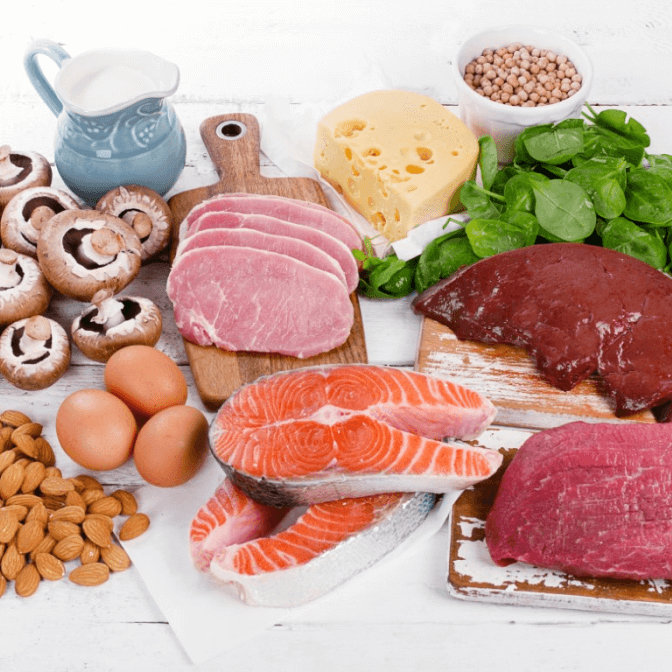
  • Eating protein-rich foods2
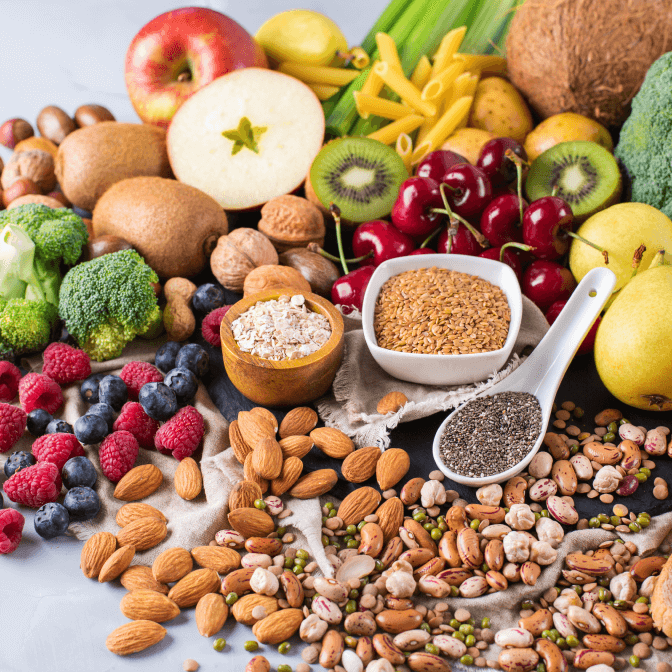
  • Including fruits and vegetables
  • Maintaining regular meal times

Low blood sugar or dehydration can increase the risk of fainting or instability.

7.  Use Assistive Devices When Needed

Canes, walkers, and handrails can greatly improve stability and confidence.

Using an assistive device is not a sign of weakness, it is a smart way to stay safe and independent.

A physical therapist can help determine which device is most appropriate.

8.  Manage Chronic Health Conditions

Conditions such as arthritis, diabetes, heart disease, Parkinson’s disease, and osteoporosis can increase fall risk.

Stay on Top of:

  • Regular medical checkups
  • Blood pressure management
  • Blood sugar control
  • Physical therapy recommendations
  • Pain management

Treating underlying health issues helps improve mobility and balance.  

9.   Build Confidence and Stay Socially Engaged

Fear of falling can sometimes lead people to become less active, which actually weakens muscles and increases risk.

Helpful Strategies

  • Join exercise groups
  • Walk with friends
  • Participate in community programs
  • Practice balance exercises regularly

Staying socially connected encourages movement and supports mental well-being.

Discover more tips and resources

Food for Special Medical Purposes. Use under medical supervision.

References:
1. Cruz-Jentoft AJ, et al. Age Ageing. 2019;48(1):16–31. 2. Protein Needs for Adults 50 Plus, Stanford Lifestyle Medicine, https://lifestylemedicine.stanford.edu/protein-needs-for-adults-50, Accessed Feb 2026.


ANIAPAC-P-AU-202600231