
Tips and advice

World Sarcopenia Day: Protect Your Strength After 50

Blood Sugar Management

Every year on 4 July, World Sarcopenia Day raises awareness of a condition that can quietly affect the way we move and maintain our independence as we age.

Sarcopenia refers to a progressive decline in muscle strength, muscle quantity and physical function.

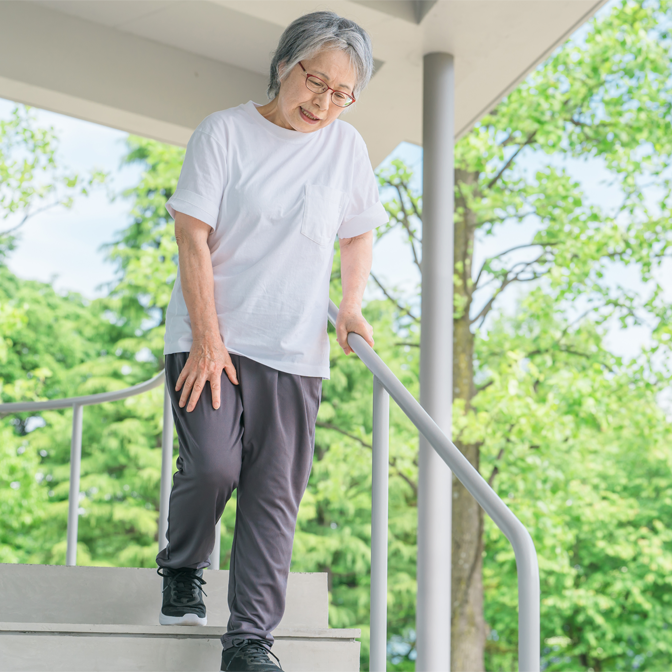
Sarcopenia can make everyday activities such as standing from a chair, carrying shopping, climbing stairs or walking feel harder. But declining strength should not simply be accepted as an unavoidable part of ageing.

What is sarcopenia?

Sarcopenia is a muscle condition linked to reduced strength, lower muscle quantity or quality, and poorer physical performance. Low muscle strength is considered a key characteristic of the condition.

Muscle mass naturally starts to decline during adulthood, and the rate of loss can increase as we get older. However, sarcopenia is more than having smaller muscles. It becomes a concern when changes in muscle health affect strength, balance, walking or the ability to complete everyday tasks.

Strong muscles help you complete daily activities and remain independent.

What are the warning signs of sarcopenia?1

Sarcopenia can develop gradually, so the early signs are easy to overlook.

Speak with your doctor or another qualified health professional if you:
● find it harder to stand from a chair without using your arms
● struggle to climb stairs
● walk more slowly than before
● find shopping bags or household objects harder to carry
● feel that your grip has become weaker
● have experienced repeated falls
● have lost weight or muscle without trying
● avoid activities because they feel physically difficult.

Weakness, slower walking and difficulty standing or climbing stairs are commonly associated with declining muscle health.

Ongoing or unexplained weakness deserves attention.

Who is at greater risk?

Age is an important risk factor, but sarcopenia is not caused by age alone.
Risk may be higher among people who are physically inactive, have spent extended periods on bed rest, are not meeting their nutritional requirements, or are recovering from illness, surgery or hospitalisation.
Certain long-term conditions may also increase the risk, including diabetes and chronic heart, kidney or lung disease.
People losing weight should also think about protecting their muscle mass. When reducing calories for weight loss, it's important to maintain a nutritious, well-balanced diet and include strength-based exercise to help preserve muscle mass while losing fat.

Can sarcopenia be prevented or improved?

In many cases, muscle strength and physical function can improve with resistance exercise, good nutrition and regular movement.

Include strength exercise

Resistance exercise asks your muscles to work against a load. It can include:
● resistance bands
● dumbbells or weight machines
● bodyweight exercises
● wall push-ups
● supported squats
● repeated sit-to-stand movements.
Australian movement guidelines recommend muscle-strengthening activities on at least two days each week. They also encourage regular movement and activities that support mobility, balance and coordination.
Start gradually and choose exercises that suit your health and current ability. A physiotherapist, accredited exercise physiologist or qualified trainer can help you exercise safely.

Eat enough protein

Your body needs protein to maintain and repair muscle.
Protein-rich foods include:
● eggs
● fish and seafood
● lean meat and chicken
● milk, yoghurt and cheese
● beans and lentils
● tofu and other soy products
● nuts and seeds.
Try to include a source of protein throughout the day rather than relying on one large serving at dinner.
Some people may benefit from an Oral Nutritional Supplements (ONS) such as Ensure®*. It can help support muscle health by providing high-quality protein, energy, vitamins and minerals that are important for maintaining strength, mobility and overall health. As part of a balanced diet, they can be a practical way to help meet nutritional requirements when dietary intake alone may not be enough.

Speak with a doctor or accredited practising dietitian before making major dietary changes, particularly if you have kidney disease, diabetes or another medical condition.

Move more every day

Structured exercise is important, but everyday movement matters too.
Walking, gardening, taking the stairs and standing regularly can support mobility and general health. However, walking alone may not challenge the muscles enough to maintain strength, so combine it with resistance exercise.
Balance activities such as tai chi, heel-to-toe walking and supported single-leg stands may also help improve stability and reduce the risk of falls.

When should you seek help?

Book a health assessment if you notice:
● a clear decline in strength
● repeated falls
● slower walking
● difficulty completing daily activities
● significant unplanned weight loss.
A health professional may assess your grip strength, chair-rise ability, walking speed and muscle mass.
Online calculators and home tests can help raise awareness, but they cannot diagnose sarcopenia. A proper assessment considers several measures as well as your general health and medical history.

Take one positive step today

World Sarcopenia Day is a reminder that muscle health deserves attention, especially after 50.
You do not need to become a bodybuilder. The goal is to build enough strength for the life you want to live.
Start with one practical step: add two short strength sessions to your week, include protein with breakfast, break up long periods of sitting or speak with a health professional about unexplained weakness.
Small, consistent actions can help you continue doing the things that matter - whether that means travelling, gardening, playing with grandchildren or living independently.
Ageing is inevitable. Losing the strength to do the things you love does not have to be.

Stay active. Stay nourished. Stay strong

This article provides general health information and is not a substitute for individual medical advice. Consult a qualified healthcare professional before beginning a new exercise program or making significant dietary changes.

Discover more tips and resources

*Food for Special Medical Purposes. Use under medical supervision.

References:

How to Manage and Treat Muscle Loss from Sarcopenia Due to Aging, Healthline, Accessed at:
https://www.healthline.com/nutrition/sarcopenia.