10 Ways to Improve Mealtimes with Your Children in 2026

10 Ways to Improve Mealtimes with Your Children in 2026

Mealtimes are an important part of family life and play a key role in shaping children’s eating habits, nutrition, and relationship with food. However, busy schedules, screen distractions, and picky eating can make family meals stressful for parents. The good news is that small changes can significantly improve the mealtime experience. Routine, positive food environments, and healthy eating behaviours to help children develop lifelong habits.1, 2, 3 Here are 10 practical tips to improve mealtimes with your children in 2026.

1. Create Consistent Mealtime Routines

Children benefit from predictable routines. Serving meals and snacks at regular times helps regulate hunger and reduces constant grazing throughout the day.2

A structured schedule also helps children understand when food will be available, which can reduce stress and fussiness around meals.

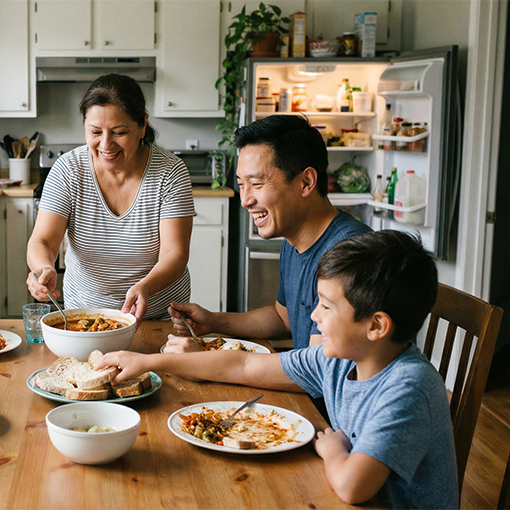
2. Eat Together as a Family

Family meals provide valuable opportunities for connection and role modelling. When children see parents enjoying healthy foods, they are more likely to try and accept those foods themselves.1

Regular family meals also encourage conversation and help children develop positive attitudes toward food.

3. Remove Distractions During Meals

Televisions, tablets, toys, and phones can distract children from eating. Reducing these distractions helps children focus on food and encourages mindful eating habits.2

A screen-free dining environment also promotes better family interaction.

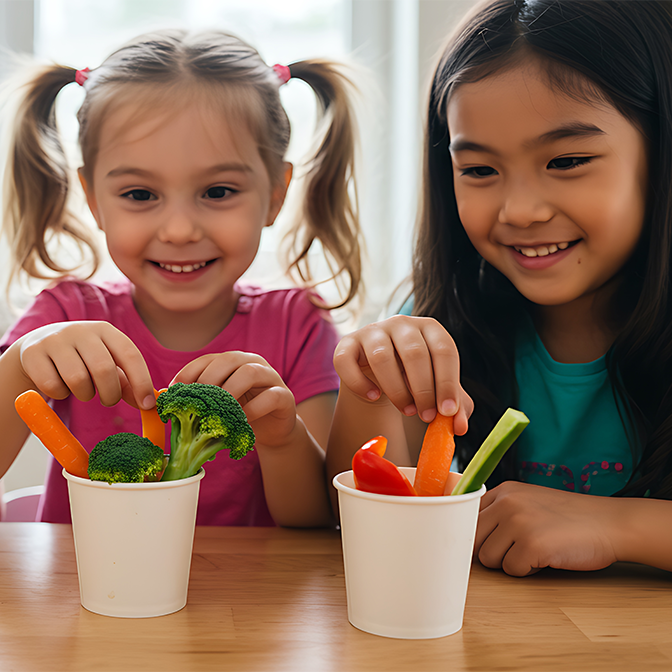
4. Offer a Variety of Nutritious Foods

Children need a wide range of nutrients to support their growth and development. Offering foods from all major food groups - including fruits, vegetables, grains, protein sources, and dairy - supports balanced nutrition.1,3

Presenting colourful and varied meals can make food more appealing to children.

5. Let Children Decide How Much to Eat

Parents should decide what food is offered, while children decide how much they eat. Allowing children to respond to their own hunger and fullness cues helps them develop healthy eating habits.1

Pressuring children to finish everything on their plate can lead to negative associations with food.

6. Introduce New Foods Multiple Times

Children often need repeated exposure to new foods before accepting them. It may take several attempts before a child feels comfortable trying something unfamiliar.1

Offering new foods alongside familiar favourites can help children become more open to different flavours and textures.

7. Encourage Self-Feeding

Allowing children to feed themselves builds confidence and independence. Even if it creates a bit of mess, self-feeding helps children develop fine motor skills and learn about different foods.1

Using child-friendly utensils and plates can support this process.

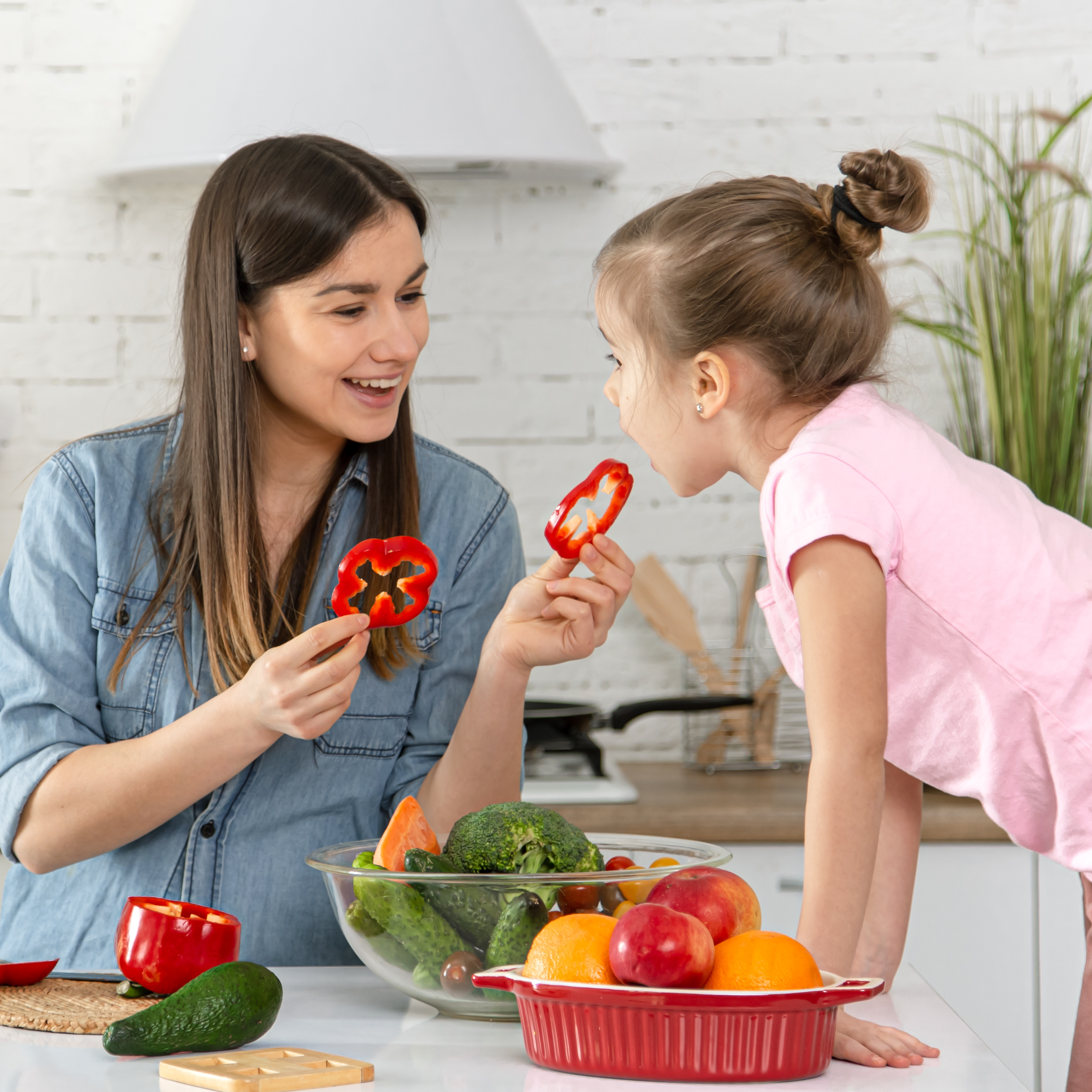
8. Involve Children in Meal Preparation

Children who participate in cooking or meal preparation are more likely to be interested in the food they eat. Helping wash vegetables, stir ingredients, or set the table can make mealtimes more engaging.3

This involvement also helps children learn about healthy eating.

9. Avoid Using Food as a Reward

Using sweets or treats as rewards can increase children’s preference for less nutritious foods and create unhealthy eating habits.2

Instead, encourage positive behaviours by praising children for trying new foods or participating in mealtime routines.

10. Create a Calm and Positive Mealtime Environment

Children respond best when meals are relaxed and enjoyable. Avoid rushing, arguing, or pressuring children to eat.2

A calm environment helps children associate food with positive family experiences and encourages healthy eating behaviours.

Your Child’s Nutrition and Growth

If you’re concerned about your child’s dietary intake, a children’s oral nutritional supplement (ONS) such as PediaSure* may be beneficial. For personalised advice, please speak with your healthcare professional.

Notes:
*PediaSure is a Food for Special Medical Purposes. Use only under medical supervision.

References
1: Karitane. Toddler Feeding. Accessed at: https://karitane.com.au/toddler/feeding/, Accessed Mar 2026.

2: Women’s and Children’s Health Network, Tips for Happy Mealtimes, Accessed at: https://cdn.wchn.sa.gov.au/downloads/WCH/hospital-services/nutrition/children/tips-for-happy-mealtimes-2023.pdf, Accessed Mar 2026.

3: Healthy Eating for Children, Health Direct, Accessed at: https://www.healthdirect.gov.au/healthy-eating-for-children, Accessed Mar 2026.

*PediaSure is a Food for Special Medical Purposes. Use only under medical supervision.