

Tips and advice

Beyond strength: Muscle’s role in immune defence

As we age, our immune system gradually becomes less efficient - a process known as immunosenescence. At the same time, we naturally begin to lose muscle mass and strength, referred to as sarcopenia. This loss isn’t just a mobility issue - it can directly impact our ability to fight infections and recover from illness.

Skeletal muscle plays a much bigger role than many people realise. It acts as a key reservoir of amino acids, produces immune-signaling proteins, and helps regulate inflammation. Maintaining muscle in older age may be one of the most effective ways to support immune function and promote healthy ageing.

How muscle supports immune function in later life

  1. Provides amino acids for immune response
    When the body is fighting infection or healing from injury, it draws on muscle tissue to access amino acids needed to produce immune cells and antibodies. Older adults with low muscle mass may have fewer resources to mount an effective immune response or recover fully from illness.
  2. Releases immune-regulating proteins (myokines)
    Contracting muscles during physical activity release myokines, a group of signaling proteins that influence the immune system. For example, IL‑6 can have anti-inflammatory effects, while IL‑15 helps support the development of T-cells - white blood cells essential for immune defence. 1
  3. Helps manage chronic inflammation
     Chronic low-grade inflammation is common in ageing and is linked to several diseases, including cardiovascular disease and type 2 diabetes. Regular muscle activity, especially through resistance training, helps reduce inflammation and regulate immune signalling.
  4. Supports resilience during illness or hospital stays
    Older adults with low muscle mass are more likely to experience complications and slower recovery when hospitalised. Maintaining strength helps preserve independence and supports better outcomes during acute illness.

Practical ways to protect muscle and support immunity

  1. Incorporate resistance training
    Aim for at least two sessions per week of strength-focused exercise. This can include bodyweight exercises (like squats and push-ups), resistance bands, or light weights. Even short sessions can make a difference over time.
  2. Get enough high-quality protein
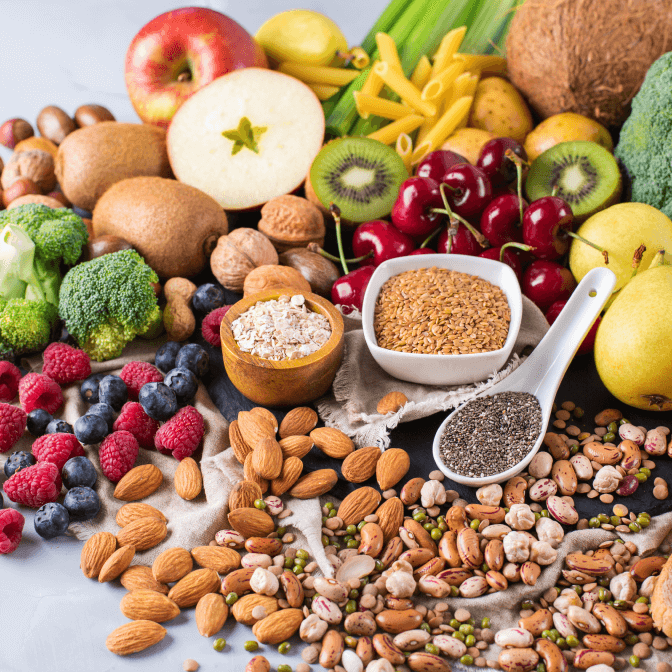
    Older adults may need more protein than younger adults to maintain muscle. A general target is 1.2 to 1.5 grams of protein per kilogram of body weight per day, spread evenly across meals. Sources include lean meats, eggs, fish, dairy, legumes, and nutritional supplements like Ensure. 2
  3. Stay active most days
    Along with strength work, regular aerobic activity - such as walking, swimming, or cycling - supports circulation and immune function. The goal is to keep moving, consistently and sustainably.
  4. Speak with a healthcare professional
    If you have chronic conditions or concerns about balance, nutrition, or recovery, consider working with a dietitian or physical therapist to develop a safe and effective plan.

Conclusion

For adults over 65, muscle health is more than a matter of strength - it’s a foundation for immune resilience, recovery, and overall wellbeing. By making strength-building activity and adequate nutrition part of your weekly routine, you can support your immune system and improve your quality of life as you age.

Discover more tips and resources

Food for Special Medical Purposes. Use only under medical supervision.

References: 

  1. Pedersen, B. K., & Febbraio, M. A. (2012). Muscles, exercise and obesity: skeletal muscle as a secretory organ. Nature Reviews Endocrinology, 8(8), 457–465.
  2. Groenendijk, I., de Groot, L. C. P. G. M., Tetens, I., & Grootswagers, P. (2024). Discussion on protein recommendations for supporting muscle and bone health in older adults: A mini review. Frontiers in Nutrition, 11, 1394916. https://doi.org/10.3389/fnut.2024.1394916