Tips and advice

Myo-Inositol: What It Is, Food Sources and Blood Sugar Support

Blood Sugar Management

Myo-inositol is a natural compound made by the body and found in many everyday foods. It helps cells communicate and plays a part in the way the body responds to insulin, the hormone that moves glucose from the blood into cells.

It is sometimes called “vitamin B8”, although it is not officially a vitamin because the body can produce it.1

What Does Myo-Inositol Do?

Myo-inositol is the most common form of inositol in the human body. It helps create chemical messengers that allow cells to respond to signals, including signals from insulin.1

When insulin attaches to a cell, it starts a chain of messages that helps the cell take in and use glucose. Myo-inositol supports this process, it does not work like insulin and cannot replace diabetes medication.

Which Foods Contain Myo-Inositol?

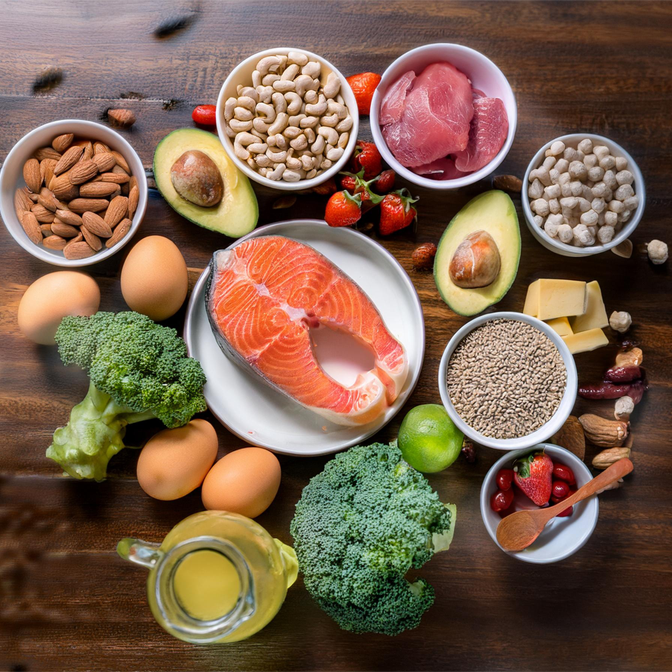
AMyo-inositol occurs naturally in many foods, especially plant foods. Common sources include:

  • Oranges, grapefruit, rockmelon and bananas
  • Beans, chickpeas, lentils and peas
  • Oats, brown rice, whole wheat and other whole grains
  • Nuts and seeds
  • A range of vegetables/li>

Research examining the inositol content of common foods found that fruit, beans, grains and nuts were among the richest sources. Fresh foods also tended to contain more than heavily processed or canned versions.

Can Myo-Inositol Help With Blood Sugar?

Research suggests that inositol supplements may offer benefits for some people with insulin resistance or metabolic conditions.

A 2025 review of randomised controlled trials found that inositol supplementation was linked with improvements in fasting insulin, insulin resistance and some blood fat measures. It also found a small average reduction in fasting blood glucose.2

An earlier review reported possible improvements in glucose levels and insulin sensitivity.3

Is Myo-Inositol in Glucerna®*?

Yes, Glucerna®* Powder and Glucerna Ready-to-Drink products contain myo-inositol as an ingredient.4

Glucerna®* is formulated specifically for people with diabetes or impaired glucose tolerance, with a low GI slow-release carbohydrate blend aiding slower glucose absorption. Glucerna®* is clinically shown to help manage blood glucose levels from Day 15, support glucose time in range within 4 weeks6 and reduce HbA1c by 1.1% at 6 months.7

Food or Supplements?

Food and supplements can be excellent sources of myo-inositol. For general wellness, food sources are usually the best place to start. Fruit, vegetables, legumes, whole grains, nuts and seeds provide myo-inositol along with many other nutrients. However, if you’re worried about your dietary intake, speak with your healthcare professional.

Additionally, people taking insulin or other glucose-lowering medicines should speak with a doctor, pharmacist, diabetes educator or dietitian before starting a supplement. Changes in insulin sensitivity may affect blood glucose and could require closer monitoring.

The Bottom Line

Myo-inositol is a natural compound involved in cell communication and insulin signalling. It is found in many healthy foods, especially fruit, legumes, whole grains, nuts and seeds.

Evidence suggests supplements may improve insulin sensitivity, however, myo-inositol should not replace diabetes medication, blood glucose monitoring, physical activity or a balanced diet.

A varied, whole-food diet is always a good starting point. Anyone considering a supplement for blood sugar support should discuss it with a qualified healthcare professional.

*Food for Special Medical Purposes. Use under medical supervision.

†As part of a 6-month lifestyle intervention program. A 1.1% reduction in HbA1c levels was observed in the study group that received a structured lifestyle intervention with Glucerna and motivational interviewing.

**When used as part of a diabetes management plan, people with diabetes consuming Glucerna kept blood glucose within the target glucose range of 3.9 - 10.0 mmol/L for an average of 89.5% of the time.

Discover more tips and resources

References:

1. Bevilacqua A, et al. Int J Endocrinol, 2018;2018:1968450,
2.Delavar M A, et al. Diabetol Metab Syndr, 2025;17:411,
3. Miñambres I, Clin Nutr, 2019;38(3):1146-1152,
4.Glucerna® Powder Product Label,
5.Devitt A, et al. Journal of Diabetes Research and Clinical Metabolism. 2012;1(1):20,
6.Peng J, et al. Br J Nutr. 2019;121(5):560–66,
7.Chee W S S, et al. BMJ Open Diabetes Res Care. 2017;5(1):e000384.