Tips and advice

Night-Time Hypos in Type 2 Diabetes: Causes, Symptoms & How to Prevent Them

Waking up shaky, sweaty, confused, or exhausted in the middle of the night can be frightening, especially if you live with type 2 diabetes. Night-time hypos, also known as nocturnal Hypoglycaemia, occur when blood glucose levels drop too low during sleep.¹
Although nocturnal hypos are more common in people using insulin or sulfonylureas, they can affect many people with type 2 diabetes. Understanding the causes, symptoms, and prevention strategies can help improve both safety and sleep quality.

Diabetes and Alcohol.

What Is a Night-Time Hypo?

Hypoglycaemia occurs when blood glucose levels fall below 4 mmol/L (70 mg/dL).² A nocturnal hypo is simply Hypoglycaemia that occurs while sleeping, typically between midnight and 6am.

Because people are asleep during these episodes, symptoms may go unnoticed until morning, increasing the risk of severe Hypoglycaemia.³

Common Symptoms of Night-Time Hypos

Some people wake during a hypo, while others remain asleep and only recognise symptoms the following day.

Symptoms During the Night

  • Excessive sweating or damp bed sheets
  • Shaking or trembling
  • Nightmares or restless sleep
  • Rapid heartbeat
  • Anxiety or sudden waking

Symptoms the Next Morning

  • Headaches
  • Fatigue
  • Brain fog or poor concentration
  • Irritability
  • Elevated morning blood glucose levels due to rebound hyperglycaemia⁴

What Causes Night-Time Hypos in Type 2 Diabetes?

Several factors may contribute to low blood glucose overnight.

1.  Diabetes Medications

Insulin and sulfonylurea medications can continue lowering blood glucose levels during sleep.⁵

Common medications associated with nocturnal Hypoglycaemia include:

  • Insulin
  • Gliclazide
  • Glimepiride
  • Glipizide


2.  Skipping Meals or Eating Too Little

Going to bed without enough carbohydrates may reduce the body’s glucose reserves overnight, increasing the likelihood of Hypoglycaemia.⁶


3.  Alcohol Consumption

Alcohol suppresses the liver’s ability to release stored glucose into the bloodstream, which can significantly increase overnight hypo risk.⁷

This effect may last several hours after drinking, making night-time hypos particularly common after evening alcohol consumption.


4.  Increased Physical Activity

Exercise improves insulin sensitivity for hours after activity. Evening exercise can therefore lower blood glucose levels during sleep.⁸


5.  Delayed or Missed Bedtime Snacks

People who require a bedtime snack to balance medication action may experience overnight hypos if snacks are skipped or delayed.

Why Night-Time Hypos Matter

Frequent nocturnal Hypoglycaemia can negatively affect both physical and psychological wellbeing.⁹

Potential consequences include:

  • Poor sleep quality
  • Increased anxiety around diabetes management
  • Impaired awareness of future Hypoglycaemia
  • Increased risk of severe hypoglycaemic events

Fear of nocturnal hypos may also lead some people to intentionally maintain elevated glucose levels overnight, which can worsen long-term glycaemic control.¹⁰

How to Prevent Night-Time Hypos

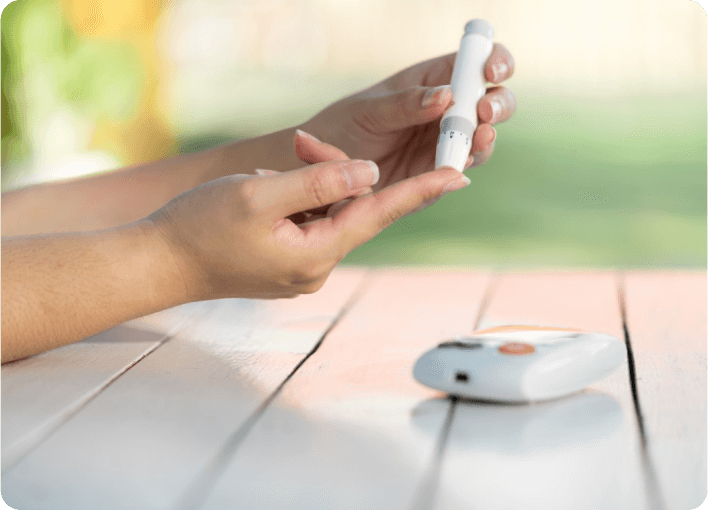
Monitor Blood Glucose Before Bed

Checking blood glucose levels before sleeping can help identify risk patterns, particularly after:

  • Exercise
  • Alcohol intake
  • Medication changes
  • Previous hypoglycaemic episodes

Continuous glucose monitoring (CGM) systems can provide additional overnight protection through real-time alerts.¹¹


Eat a Balanced Evening Meal

A balanced dinner containing complex carbohydrates, protein and healthy fats may help stabilise glucose levels overnight.

Suitable bedtime snacks may include:

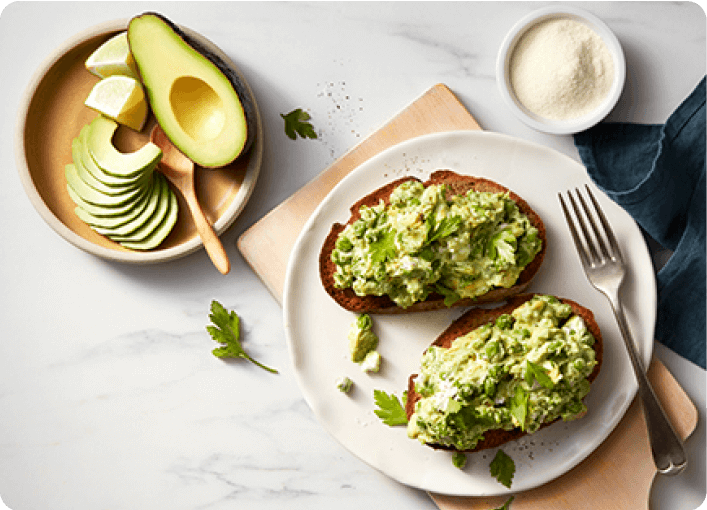
  • Wholegrain toast with peanut butter
  • Greek yoghurt and berries
  • Cheese and wholegrain crackers
  • Banana with nuts


Be Cautious With Alcohol

To reduce risk:

  • Avoid drinking alcohol on an empty stomach
  • Consume carbohydrates alongside alcohol
  • Monitor glucose levels more frequently overnight


Review Medication Timing With Your Healthcare Team

If night-time hypos occur frequently, healthcare providers may recommend:

  • Adjusting insulin dosage
  • Altering medication timing
  • Changing diabetes medications
  • Using CGM technology

Medication changes should always be supervised by a healthcare professional.

What To Do If You Wake Up With a Hypo

If you suspect Hypoglycaemia:

  • Check blood glucose levels if possible
  • Consume 15–20g of fast-acting carbohydrates:
    • Glucose tablets
    • Fruit juice
    • Regular soft drink
    • Jelly beans
  • Recheck blood glucose after 15 minutes
  • Follow with a longer-acting carbohydrate snack if required¹²

Seek emergency assistance if symptoms become severe or you cannot safely treat yourself.

How Can Diabetes-Specific Nutritional Formulas Help

Diabetes-Specific Nutritional Formulas (DSNF), like Glucerna*, are formulated specifically for people with diabetes or impaired glucose tolerance, with a low GI slow-release carbohydrate blend aiding slower glucose absorption. Glucerna is clinically shown to help manage blood glucose levels from Day 113-15, within target range (up to 90% of the time) within 4 weeks16 and reducing HbA1c to improve long-term blood glucose management in six months.17†

When to Seek Medical Advice

You should speak with your doctor or diabetes educator if:

  • Night-time hypos occur regularly
  • Morning headaches or fatigue are frequent
  • Morning glucose readings fluctuate significantly
  • Fear of overnight hypos affects sleep or diabetes management

Individualised diabetes care plans can substantially reduce nocturnal Hypoglycaemia risk.

Final Thoughts

Night-time hypos can be distressing for people living with diabetes, but they are manageable with appropriate monitoring, medication management, nutrition, and support. Understanding personal triggers and working closely with healthcare professionals can help reduce overnight lows and improve both safety and quality of life.

Discover more tips and resources

Food for Special Medical Purposes. Use under medical supervision.

References:
1. Tired of nighttime hypos?, Diabetes Australia, Accessed at: https://www.diabetesaustralia.com.au/blog/tired-of-night-time-hypos/, Accessed May 2026. 2. American Diabetes Association, Diabetes Care. 2026;49(Suppl 1), Accessed at: https://diabetesjournals.org/care/issue/49/Supplement_1, Accessed May 2026. 3. Frier B M, Diabetes Metab Res Rev. 2008;24(2):87–92. 4. Somogyi M, Am J Med. 1959;26:169–191, Accessed at: https://pubmed.ncbi.nlm.nih.gov/13617275/, Accessed May 2026. 5. Seaquist ER, et al. Diabetes Care. 2013;36(5):1384–1395, Accessed: https://pubmed.ncbi.nlm.nih.gov/23589542/, Accessed May 2026. 6. Kalra S, Mukherjee J J, Indian J Endocrinol Metab. 2013;17(5):819–834, Accessed at: https://pubmed.ncbi.nlm.nih.gov/24083163/, Accessed May 2026. 7. Turner BC, et al. Diabetes Care. 2001;24(11):1888–1893. 8. Colberg SR, et al. Diabetes Care. 2010;33(12):e147–e167, Accessed at: https://pubmed.ncbi.nlm.nih.gov/21115758/, Accessed May 2026. 9. Martyn-Nemeth P, et al. J Diabetes Complications. 2016;30(1):167–177. 10. Davis S N, et al. Diabetes. 2005;54(12):3592–3601. 11. Battelino T, et al. Diabetes Care. 2019;42(8):1593–1603, Accessed at: https://pubmed.ncbi.nlm.nih.gov/31177185/, Accessed May 2026. 12. Diabetes UK. Treating a hypo. Diabetes UK Clinical Guidance; 2024, Accessed at: https://www.diabetes.org.uk/sites/default/files/2025-03/EoL_TREND_2024_v11-1.pdf, Accessed May 2026. 13. Dávila LA, et al. Nutrients. 2019;11(7):1477, Accessed at: https://pubmed.ncbi.nlm.nih.gov/31261732/, Accessed May 2026. 14. Devitt A, et al. Journal of Diabetes Research and Clinical Metabolism. 2012;1(1):20. 15. Mottalib A, et al. Nutrients. 2016;8(7):443, Accessed at: https://pubmed.ncbi.nlm.nih.gov/27455318/, Accessed May 2026. 16. Peng J, et al. Br J Nutr. 2019;121(5):560–66, Accessed at: https://www.cambridge.org/core/journals/british-journal-of-nutrition/article/breakfast-replacement-with-a-liquid-formula-improves-glycaemic-variability-in-patients-with-type-2-diabetes-a-randomised-clinical-trial/3814F388CEBC6D7FD00FDD74707DB32, Accessed May 2026. 17. Chee W S S, et al. BMJ Open Diabetes Res Care. 2017;5(1):e000384, Accessed at: https://drc.bmj.com/content/bmjdrc/5/1/e000384.full.pdf, Accessed May 2026.

*Glucerna is formulated for people with prediabetes, diabetes and gestational diabetes, as part of a diabetes management plan (including diet and exercise).

†Glucerna has been shown to lower HbA1c by 1.1% in 6 months when used as part of a structured lifestyle intervention and motivational interviewing.17


ANIAPAC-P-AU-202600231