Tips and advice

How Exercise Impacts Blood Glucose Levels

Diabetes and Alcohol.

Exercise is one of the most effective ways to support healthy blood glucose levels. Whether you are living with diabetes, prediabetes, or simply looking to improve your metabolic health, physical activity helps your body use glucose more efficiently. Regular exercise can lower blood glucose during and after activity, improve insulin sensitivity, and support better long-term glucose management.1

Why Exercise impacts blood glucose

Glucose is one of the body’s main sources of energy. When you exercise, your muscles need more fuel, so they begin taking up more glucose from the bloodstream. This can help lower blood glucose levels during and after physical activity.

Exercise also improves insulin sensitivity. Insulin is the hormone that helps move glucose from the blood into the cells. When your body becomes more sensitive to insulin, it can use glucose more effectively, which may help improve blood glucose management over time.

What happens to blood glucose during exercise?

The effect of exercise on blood glucose depends on the type, intensity, and duration of activity, as well as your fitness level, food intake, medication use, and whether you have diabetes.

Moderate-intensity aerobic exercise

Moderate aerobic exercise, such as brisk walking, cycling, swimming, or jogging, usually lowers blood glucose because working muscles use glucose for energy.¹

High-intensity exercise

High-intensity exercise, such as sprinting, interval training, or competitive sports, may sometimes cause blood glucose to rise temporarily. This can happen because the body releases stress hormones, which signal the liver to release stored glucose into the bloodstream.1

Although this short-term rise can be surprising, high-intensity exercise can still support better glucose control over time by improving fitness and insulin sensitivity.¹

Resistance training

Resistance training, such as lifting weights, using resistance bands, or doing bodyweight exercises, can also improve blood glucose management. Building and maintaining muscle is important because muscle tissue is a major site for glucose storage and use.2

Resistance exercise may also produce different short-term glucose responses compared with aerobic exercise. In people with type 1 diabetes, resistance exercise may be associated with a lower risk of exercise-related glucose drops than aerobic exercise in some settings.3

Can exercise help reduce the risk of type 2 diabetes?

Regular physical activity can help reduce the risk of developing type 2 diabetes, especially in people with insulin resistance or prediabetes. Exercise supports better glucose regulation by improving insulin sensitivity, reducing excess body fat, increasing muscle mass, and improving cardiovascular health.¹

Strength training may also play a role in reducing the risk of type 2 diabetes and cardiovascular disease, particularly when combined with regular aerobic activity and other healthy lifestyle habits.2

Best types of exercise for blood glucose management

The most effective approach usually includes a combination of aerobic exercise, resistance training, and reduced sedentary time.

Aerobic exercise

Aerobic exercise includes activities such as walking, cycling, swimming, dancing, and jogging. These activities increase the body’s demand for energy and typically help lower blood glucose during and after exercise.¹

Resistance training

Resistance training includes weightlifting, resistance bands, strength machines, and bodyweight exercises. It helps build and maintain muscle, which can improve the body’s ability to use and store glucose.3

Flexibility and balance activities

Activities such as yoga, Pilates, stretching, and Tai Chi can support mobility, balance, and injury prevention. While these may not lower blood glucose as strongly as aerobic or resistance training, they can help people stay active and maintain a sustainable exercise routine.¹

How much exercise is recommended?

Diabetes Australia recommends at least 30 minutes of moderate aerobic exercise per day.5 Resistance training is also recommended at least two to three times per week for most adults with diabetes.¹

Even small amounts of movement can help. Breaking up long periods of sitting with short bouts of light activity may support better glucose regulation throughout the day.

What’s better for blood glucose - eating before or after exercise?

Consuming carbohydrates before exercise may help maintain stable blood glucose levels and provide the energy needed for physical activity, particularly for people taking insulin or certain glucose-lowering medications that increase the risk of hypoglycaemia. The amount of carbohydrate needed depends on factors such as your starting blood glucose level, the type and duration of exercise, and your individual diabetes management plan. For prolonged or moderate-to-vigorous exercise, a small carbohydrate-containing snack before activity may help prevent blood glucose from dropping too low during or after exercise.¹

If blood glucose levels are already elevated before exercise, additional carbohydrates may not be necessary. Monitoring blood glucose before, during, and after exercise (preferably using Continuous Glucose Monitoring) can help identify how your body responds and whether pre-exercise carbohydrate intake is beneficial for you.

Diabetes-Specific Nutritional Formulas (DSNF), like Glucerna®* can be helpful in managing blood glucose during exercise. Glucerna®* is formulated specifically for people with diabetes or impaired glucose tolerance, with a low GI slow-release carbohydrate blend aiding slower glucose absorption. Glucerna®* is clinically shown to help manage blood glucose levels from Day 1 7✝✝, support glucose time in range within 4 weeks8** and reduce HbA1c by 1.1% at 6 months.9†

People living with diabetes should work with their healthcare team (GP, Dietitian, Diabetes Educator or Endocrinologist)  to determine the most appropriate fueling strategy for their individual needs.

Monitoring blood glucose around exercise

People living with diabetes may experience different glucose responses depending on the type, timing, and intensity of exercise. Food intake, insulin, oral medications, hydration, sleep, stress, and illness can also influence blood glucose levels.

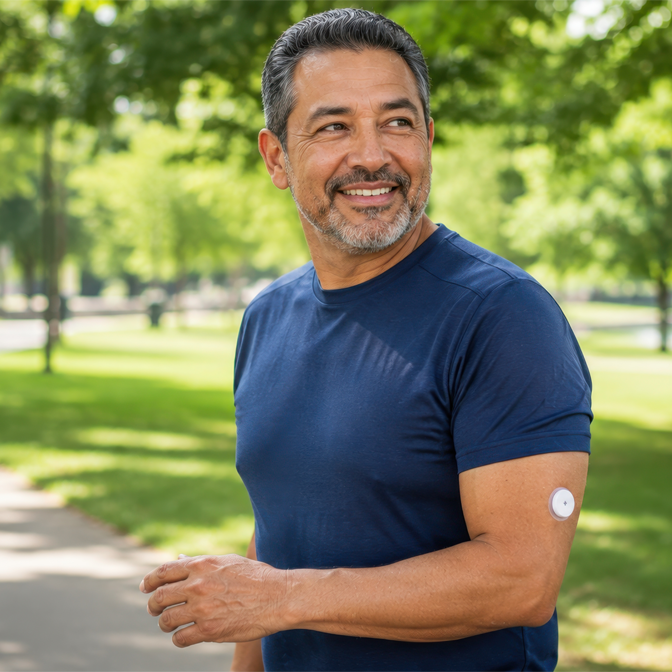
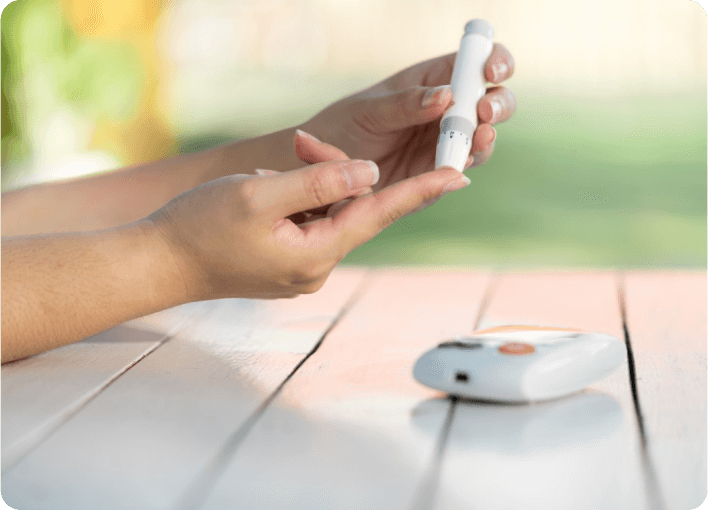
Checking glucose before, during, and after exercise can help identify patterns and reduce the risk of unexpected highs or lows. Continuous glucose monitoring can be especially useful because it shows glucose trends and helps people understand how their body responds to different types of activity.¹

In summary

Exercise has a powerful impact on blood glucose. Aerobic exercise often lowers glucose during and after activity, resistance training helps improve long-term glucose management by supporting muscle health, and high-intensity exercise may temporarily raise glucose while still offering longer-term metabolic benefits.

For most people, the best approach is a consistent routine that combines aerobic movement, strength training, and regular breaks from sitting. Every walk, workout, swim, ride, or strength session can contribute to better blood glucose management and overall health.

Discover more tips and resources

*Food for Special Medical Purposes. Use under medical supervision.
†As part of a 6-month lifestyle intervention program. A 1.1% reduction in HbA1c levels was observed in the study group that received a structured lifestyle intervention with Glucerna and motivational interviewing. **When used as part of a diabetes management plan, people with diabetes consuming Glucerna kept blood glucose within the target glucose range of 3.9 - 10.0 mmol/L for an average of 89.5% of the time

✝✝In the 180 minutes following Glucerna consumption compared to oatmeal in people with type 2 diabetes

References:
1.
Colberg S R, et al. Diabetes Care, 2016;39(11):2065-2079, 2. Dai X, et al. Diabetes Metab Res Rev. 2019;35:e3143, 3. Shiroma E J, et al. Medicine & Science in Sports & Exercise. 2017;49(1):40-46, 4. Yardley J E, et al. Diabetes Care. 2013;36(3):537–542, 5. Exercise and diabetes, Diabetes Australia, Accessed at: https://www.diabetesaustralia.com.au/living-with-diabetes/exercise/, 6. Dávila LA, et al. Nutrients. 2019;11(7):1477, 7. Devitt A, et al. Journal of Diabetes Research and Clinical Metabolism. 2012;1(1):20, 8. Peng J, et al. Br J Nutr. 2019;121(5):560–66, 9. Chee W S S, et al. BMJ Open Diabetes Res Care. 2017;5(1):e000384.

ANIAPAC-P-AU-202600286