Tips and advice

A Closer Look at Hypoglycaemia

Hypoglycaemia, or low blood glucose, occurs when glucose levels drop below the normal range. It is a common concern for people living with diabetes, especially those using insulin or certain diabetes medications. Understanding the symptoms, causes, and prevention strategies can help reduce the risk and improve daily diabetes management.¹

Diabetes and Alcohol.

What Is Hypoglycaemia?

Hypoglycaemia generally refers to blood glucose levels falling below 3.9 mmol/L (70 mg/dL).² When this happens, the body and brain may not receive enough glucose to function properly.³

Common Symptoms

Symptoms can develop quickly and may vary from person to person. Common signs include:2,4

  • Shakiness or trembling
  • Sweating
  • Hunger
  • Dizziness
  • Rapid heartbeat
  • Headache
  • Irritability or mood changes
  • Confusion or difficulty concentrating

Severe hypoglycaemia may lead to loss of consciousness or seizures if not treated promptly.²

Risk Factors

Several factors can increase the likelihood of low blood glucose, including:2,5

  • Skipping or delaying meals
  • Taking too much insulin or diabetes medication
  • Increased physical activity without adjusting food intake
  • Drinking alcohol without eating
  • Illness or stress affecting glucose levels

Some people may also experience hypoglycaemia unawareness, where warning symptoms become harder to recognize over time.⁵

How to Treat Low Blood Glucose

If blood glucose drops too low, quick treatment is important. A common recommendation is the “15-15 rule”.2

  • Consume 15 grams of fast-acting carbohydrates, such as:
    • Glucose tablets
    • Fruit juice
    • Regular soft drink
    • Honey or glucose
  • Wait 15 minutes and recheck blood glucose levels.
  • Repeat if glucose levels remain low.

After recovery, eating a balanced snack or meal can help maintain stable glucose levels.²

Tips to Help Prevent Hypoglycaemia

Managing blood glucose consistently can reduce the risk of lows. Helpful strategies include:1,2

  • Eating regular meals and snacks
  • Monitoring blood glucose regularly
  • Understanding how exercise affects glucose levels
  • Carrying fast-acting carbohydrates when away from home
  • Discussing medication adjustments with a healthcare professional
  • Limiting alcohol or consuming it with food

Why Monitoring Matters

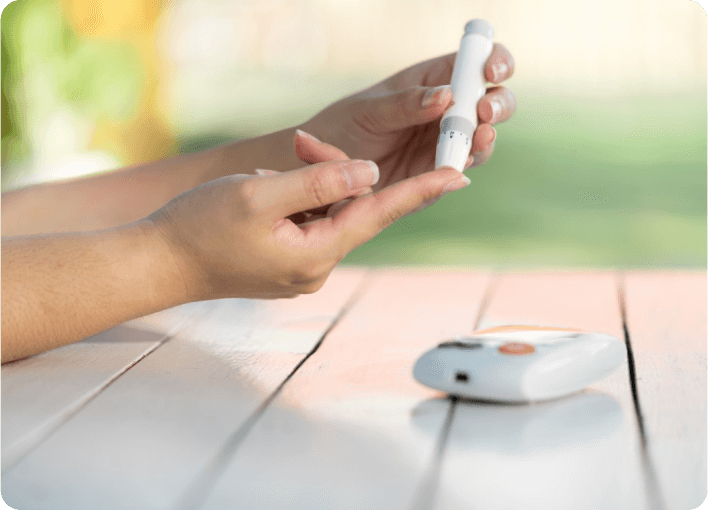
Tracking glucose patterns can help identify situations that lead to low blood glucose. Recognising trends allows individuals to make informed decisions about meals, activity, and medication timing.⁶

Living Confidently with Diabetes

While hypoglycaemia can be challenging, understanding the warning signs and preparing ahead can make it easier to manage. With the right habits and support, people living with diabetes can reduce the risk of low blood glucose and maintain a healthy, active lifestyle.¹

How Can Diabetes-Specific Nutritional Formulas Help

Diabetes-Specific Nutritional Formulas (DSNF), like Glucerna*, are formulated specifically for people with diabetes or impaired glucose tolerance, with a low GI slow-release carbohydrate blend aiding slower glucose absorption.

Discover more tips and resources

Food for Special Medical Purposes. Use under medical supervision.

References:

1. American Diabetes Association. Diabetes Care. 2026;49(Suppl 1):S1–S350, Accessed at: https://pubmed.ncbi.nlm.nih.gov/41358900/, Accessed May 2026. 2. American Diabetes Association. Hypoglycaemia (Low Blood Glucose), Accessed at: https://diabetes.org/living-with-diabetes/hypoglyceemia-low-blood-glucose, Accessed May 2026. 3. Cryer P E, N Engl J Med. 2013;369(4):362–372, Accessed at: https://pubmed.ncbi.nlm.nih.gov/23883381/, Accessed May 2026. 4. International Diabetes Federation. Managing Older People with Type 2 Diabetes Global Guideline. Brussels: IDF; 2022, Accessed at: https://idf.org/news-and-resources/resources/global-guideline-for-managing-older-people-with-type-2-diabetes/, Accessed May 2026. 5. Seaquist ER, et al. Diabetes Care. 2013;36(5):1384–1395, Accessed: https://pubmed.ncbi.nlm.nih.gov/23589542/, Accessed May 2026. 6. Battelino T, et al. Diabetes Care. 2019;42(8):1593–1603, Accessed at: https://pubmed.ncbi.nlm.nih.gov/31177185/, Accessed May 2026. 7.  Evert A B, et al. Diabetes Care. 2019;42(5):731–754, Accessed at: https://pubmed.ncbi.nlm.nih.gov/31000505/, Accessed May 2026.

*Glucerna is formulated for people with prediabetes, diabetes and gestational diabetes, as part of a diabetes management plan (including diet and exercise).

ANIAPAC-P-AU-202600231