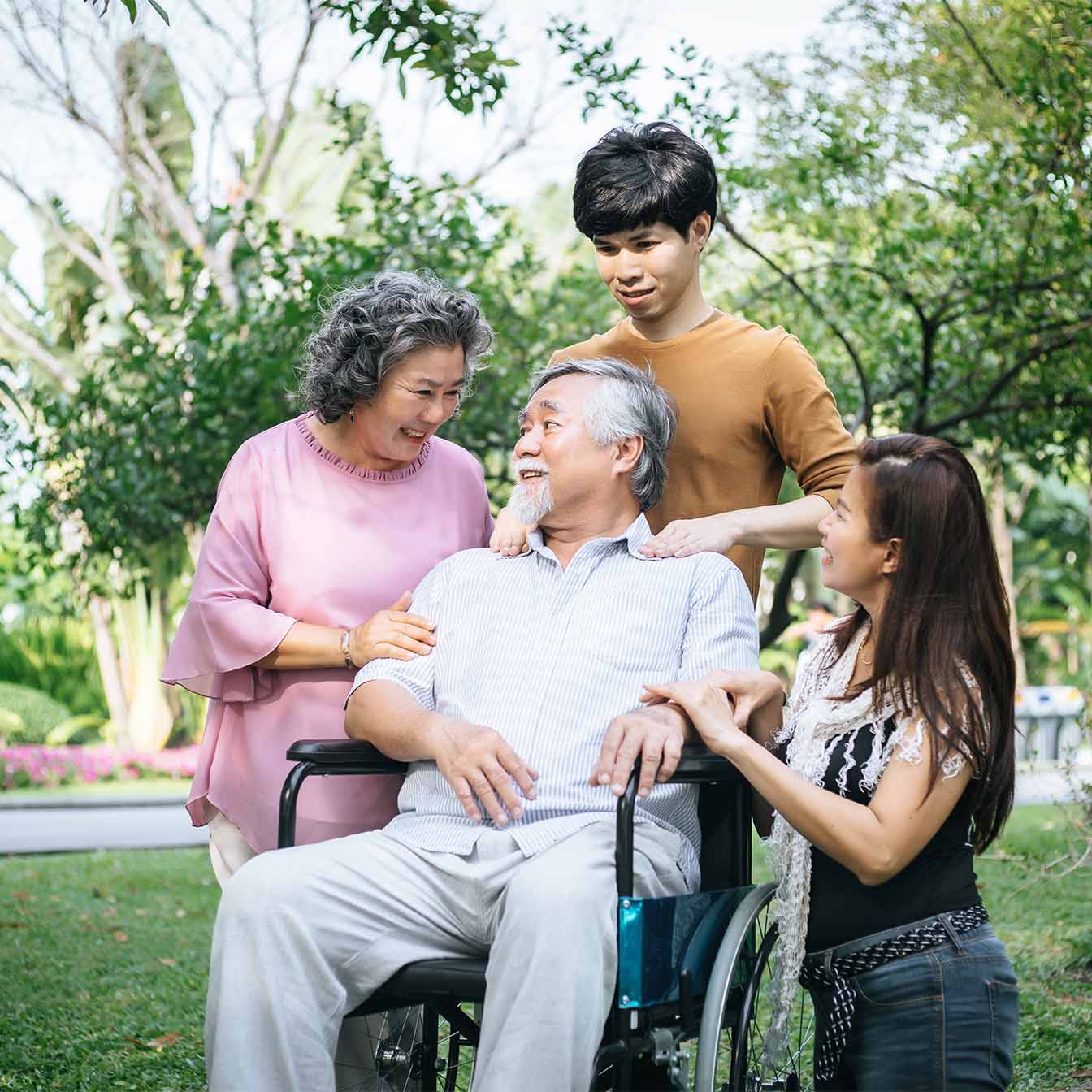
The elderly adult’s nutritional health is crucial. It can dramatically affect his or her ability to fight diseases, recover from sickness or surgical operations, more importantly, live a healthy life. The relationship between a senior’s well-being and nutrition is complex, with a number of factors affecting his or her diet. One’s nutritional knowledge, medications, physical limitations, caregiver support, oral health can all dictate and determine what one eats, as well as when and where he or she eats.
It is important that the elders make eating healthy a priority given that aging is linked to a variety of changes including deficiencies, decreased quality of life and poor health outcomes. Fortunately, age-related nutritional deficiencies can be prevented with proper health awareness and education, eating nutrient-rich foods, and taking appropriate supplements.
Below are significant nutritional challenges that an individual face as he or she ages.