How 5 HMO Supports Gut and Immune Health in Children

Effective Strategies to Enhance Emotional Intelligence in Children


Article details

3 min read

By Simi Kids

Fact Checked by Simi Kids

article banner
article banner
article banner

Emotional intelligence (EI) is a crucial skill that helps children navigate their emotions, build strong relationships, and succeed both socially and academically.1 Children with high emotional intelligence tend to communicate more effectively, handle conflicts maturely, and develop resilience in the face of challenges.2 As parents, caregivers, and educators, fostering emotional intelligence in children can lay the foundation for a well-rounded and emotionally healthy future. In this article, we’ll explore simple yet effective ways to nurture emotional awareness, self-regulation, empathy, and communication skills in kids.

What is Emotional Intelligence and Why is it Important for Kids?

Emotional intelligence refers to a person’s ability to recognize, understand, and manage emotions effectively. For children, developing EI early on helps them:

  • Express their feelings clearly and appropriately.
  • Handle frustration, disappointment, and anger in healthy ways.
  • Develop empathy towards others, strengthening their social connections.
  • Improve problem-solving and conflict resolution skills.
  •  Enhance focus, leading to better academic performance.
  • Build resilience, allowing them to bounce back from setbacks more effectively.
  • Strengthen their ability to adapt to different social environments.

By teaching children emotional intelligence, parents equip them with lifelong skills that foster confidence, resilience, and meaningful relationships. This not only enhances their personal interactions but also positively impacts their academic and extracurricular achievements.3

Practical Ways to Teach Kids How to Recognize and Express Emotions

Let’s look into some of the practical methods to teach your children to express themselves emotionally.

  1. Name the Emotion: Encourage children to identify and label their feelings using words like happy, sad, frustrated, or excited. This helps them build emotional vocabulary and articulate their experiences.
  2. Use Emotion Charts: Visual aids like emotion charts help children associate facial expressions and situations with different emotions. Keeping an emotions chart at home allows kids to point to how they feel if they struggle with verbalizing emotions.
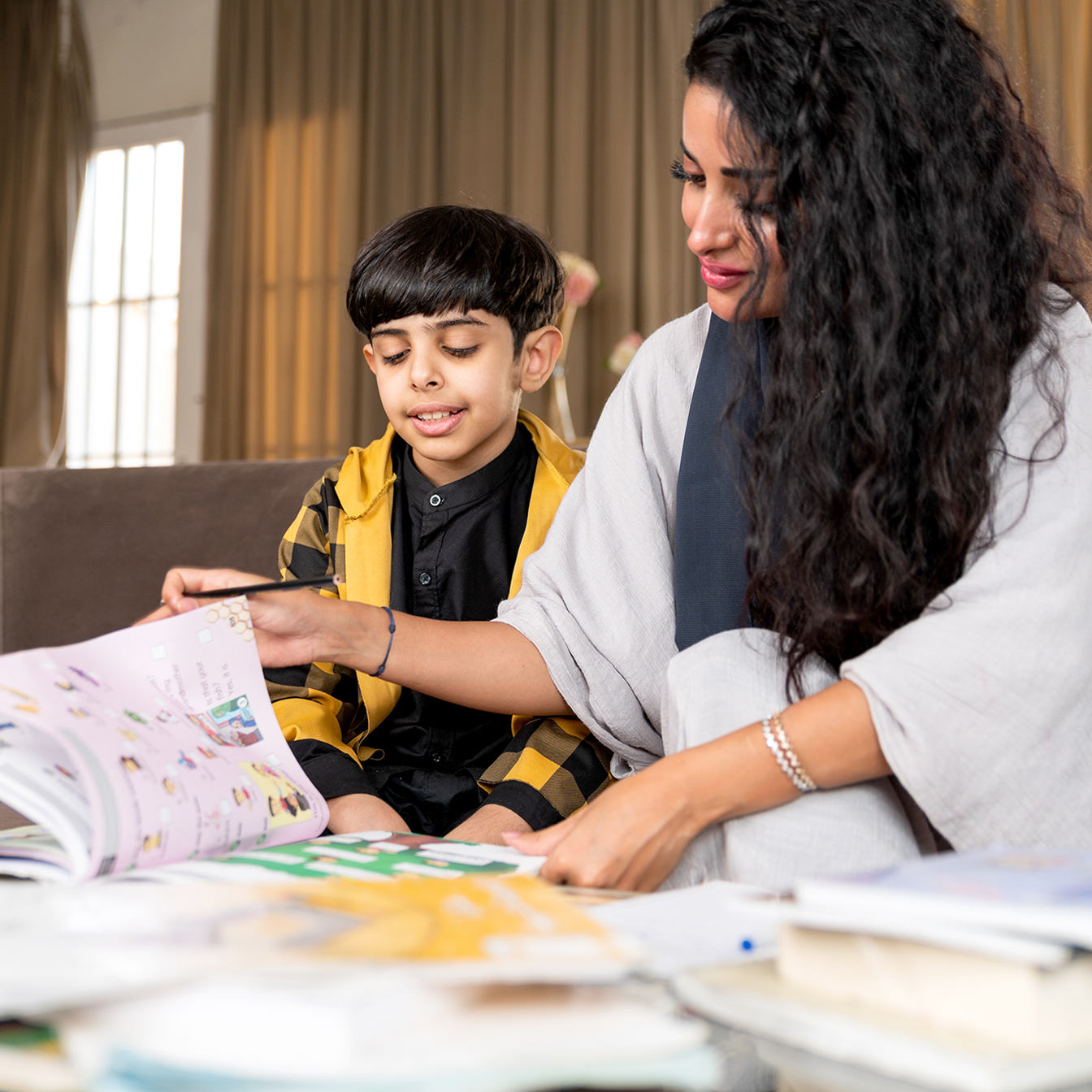
  3. Storytelling and Books: Reading books that explore emotions allows children to understand and relate to different feelings. Discussing the characters’ emotions can also prompt children to reflect on their own feelings.
  4. Encourage Open Conversations: Create a safe space for children to talk about their emotions without fear of judgment. Letting them know that it’s okay to feel sad, angry, or frustrated reassures them that emotions are normal.
  5. Practice Mindfulness: Simple mindfulness exercises like deep breathing can help children regulate their emotions. Guided breathing exercises or meditation apps for kids can be useful in teaching emotional control.4

How Parents Can Model and Encourage Empathy in Everyday Situations

Building on the foundation of what EI is, here are some practical strategies to help children learn to identify and articulate their emotions. These methods serve as stepping stones to a deeper emotional understanding and self-expression.5

  1. Lead by Example: Children learn best by observing their parents. Show kindness, patience, and understanding in daily interactions.
  2. Validate Their Feelings: Instead of dismissing a child’s emotions, acknowledge and validate their experiences. Saying things like, "I see that you’re upset. It’s okay to feel that way," helps children feel understood.
  3. Encourage Perspective-Taking: Teach children to consider how others feel in different situations. Asking questions like, "How do you think your friend felt when that happened?" fosters empathy.
  4. Praise Empathetic Behavior: Recognize and appreciate when a child demonstrates kindness or understanding toward others. Positive reinforcement strengthens their motivation to be empathetic.
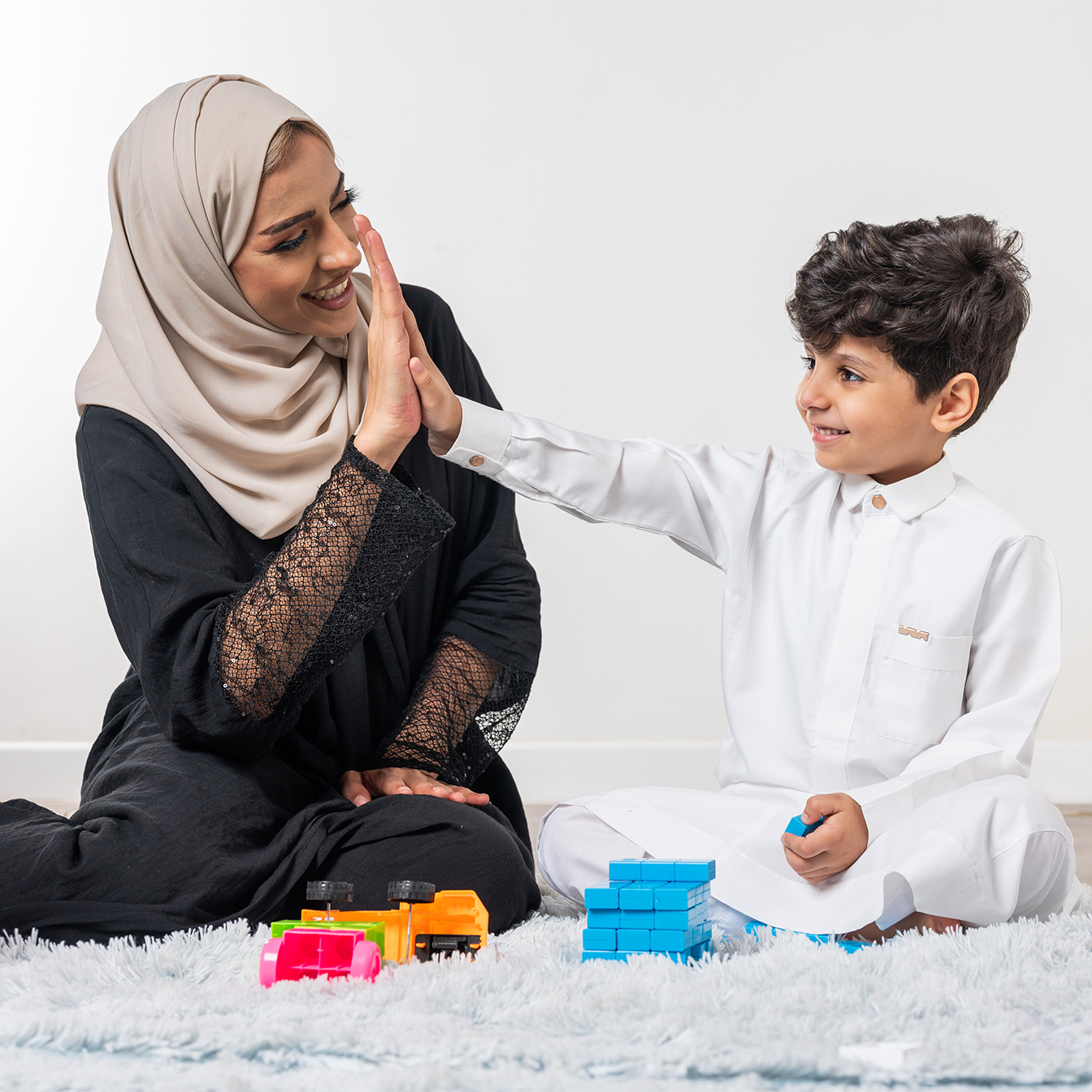
  5. Use Role-Playing Games: Practice scenarios where children can think about how someone else might feel and respond with empathy. For example, playing as a doctor taking care of a sick patient can help them understand caregiving emotions.
  6. Teach Active Listening: Encourage children to listen attentively when others are speaking. Show them how to respond with thoughtful words rather than interrupting or dismissing someone’s feelings.

Games and Activities That Boost Emotional Awareness in Children

Interactive and playful methods can significantly enhance a child’s emotional awareness. Here is a range of engaging games and activities designed to make the learning process enjoyable while reinforcing key emotional skills.

  1. Emotion Charades: Have children act out different emotions while others guess what they’re feeling. This game helps them recognize non-verbal emotional cues.
  2. Feelings Journal: Encourage kids to draw or write about their emotions each day. Over time, this helps them track patterns and recognize how certain situations affect their mood.
  3. Puppet Play: Use puppets or dolls to act out social situations and discuss appropriate emotional responses. This method allows children to explore emotions in a playful way.
  4. Gratitude Practice: Create a habit of sharing things they are grateful for daily. Gratitude fosters positive emotions and helps children focus on what makes them happy.
  5. Problem-Solving Challenges: Present hypothetical conflicts and brainstorm solutions together. This builds a child’s ability to handle real-life emotional situations more effectively.
  6. Mirror Play: Ask children to mimic different facial expressions in the mirror and talk about the emotions they represent. This helps them connect emotions with physical expressions.
  7. Kindness Challenge: Set a daily or weekly goal for children to perform acts of kindness, such as helping a friend or sharing with a sibling. Rewarding these efforts reinforces compassionate behavior.

Teaching Self-Regulation and Coping Strategies

Self-regulation and effective coping mechanisms are vital skills for managing everyday challenges. Let’s delve into strategies that help children learn to calm themselves, delay gratification, and approach problems with a clear mind.6

  1. Encourage Deep Breathing Techniques: Teach children simple breathing exercises to help them calm down when they feel overwhelmed.
  2. Create a Calm-Down Corner: Set up a quiet space where children can go when they need to manage their emotions.
  3. Teach Delayed Gratification: Introduce games and activities that encourage patience, like waiting to open a present or completing a puzzle before receiving a reward.
  4. Practice Problem-Solving: When children face frustration, guide them through the process of finding solutions instead of reacting impulsively.
  5. Use Positive Affirmations: Help children build self-confidence by encouraging them to repeat affirmations like "I am calm," "I can solve this problem," or "I am kind."

The Role of Schools in Enhancing Emotional Intelligence

While the family environment is crucial, schools also provide a unique opportunity to reinforce emotional intelligence. Here are some ways in which educational institutions can integrate EI into their curriculum and daily routines to support children's emotional development.7

  1. Incorporate Social-Emotional Learning (SEL) Programs: Schools can include SEL programs in the curriculum to teach kids essential emotional skills.
  2. Encourage Group Activities: Working in teams helps children develop cooperation, patience, and empathy.
  3. Teach Conflict Resolution: Educators can introduce conflict resolution strategies to help children manage disputes constructively.
  4. Provide Emotional Support: Teachers and counselors should create a supportive environment where children feel comfortable expressing their emotions.

Simi Kids Milk Formula – From 3 Years Onwards

Simi Kids is a premium milk formula tailored for children aged 3 years and above. It provides balanced nutrition to support the developmental needs of young children and is now more advanced with 5 key HMOs (Human Milk Oligosaccharides), which help:8, 9, 10

Strengthen Immunity

The advanced formula supports the body’s natural defenses.

Enhance Brain Development

Enriched with 10 key brain nutrients including DHA, Natural Vitamin E, and Lutein to support cognitive growth.

Support Digestive Health

Designed for easy digestion and better absorption of essential nutrients, it is free from Palm Olien Oil.

Additional benefits include:

Strong Physical Growth

Formulated with essential nutrients to promote robust physical growth and overall development.

Support Cognitive Development

Helps enhance brain function with a blend of critical nutrients.

Easy Digestion

Ensures gentle digestion and improved absorption of Calcium, DHA, and other key nutrients.

Available in convenient packaging sizes of 400g and 900g, Simi Kids Milk Formula is an excellent nutritional addition to a balanced diet, supporting both the physical and emotional well-being of children.

Enhancing emotional intelligence in children is an ongoing journey that requires patience and consistency. By integrating simple strategies into everyday interactions, parents and caregivers can help children develop strong emotional skills that support their well-being, confidence, and relationships. Whether through modeling empathy, practicing emotional awareness, or engaging in interactive activities, every effort contributes to a child’s social and emotional success.

Developing emotional intelligence also helps children manage stress, build healthy friendships, and prepare for the complexities of adulthood. While progress may take time, the long-term benefits make it a crucial aspect of parenting and education. The key is to provide consistent guidance, reassurance, and a safe environment where children can explore and understand their emotions freely.


ANI-KSA-PN-2024-4307 l 346­-9263