.png)

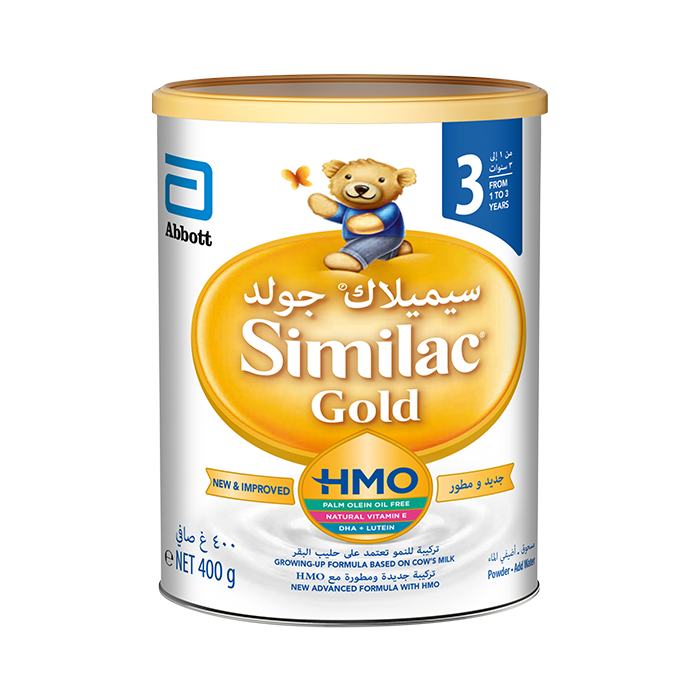
Similac® Gold 3
- Main Image
-
- Subtitle
- Follow-On Formula Milk - From 1 To 3 Years Old
- Title
- Similac® Gold 3
- Detail Page Path
Article details
5 min read
By Similac®
Fact Checked by Similac®
.jpg)
Human Milk Oligosaccharides (HMOs) are complex carbohydrates naturally occurring in human breast milk, crucial for infant development.
HMOs support immune functions, brain development, and contribute to a healthy gut environment, mirroring benefits seen in breastfed infants.
Similac includes 2'-Fucosyllactose (2'-FL), enhancing its formula to provide closer nutrition to natural breast milk and supporting critical development stages.
Human Milk Oligosaccharides (HMOs) are a unique group of complex carbohydrates that are abundantly present in human breast milk. HMOs are the third most abundant solid component in breast milk after lactose and lipids. They are not digestible by infants but play a crucial role in their overall health and development.
What is an HMO's Job?
HMOs have several important functions:
In 2016, Similac was the first infant formula to include an HMO, 2’-FL, that is structurally identical to that found in breast milk1 to support the developing immune system in infants2.
Why It Matters
The inclusion of 2’-FL in Similac represents a significant advancement in infant nutrition. By mimicking the functional benefits of HMOs found in human breast milk, Similac is able to provide formula-fed infants with crucial health benefits that were previously only available through breastfeeding.
HMO and Its Impact on Immunity, Brain Development, and Gut Health
Immunity
HMOs play a critical role in developing and supporting the infant’s immune system. They help protect against infections by acting as decoys that prevent harmful pathogens from binding to the gut wall. By fostering a healthy gut microbiome, HMOs further strengthen the immune response.
Brain Development
Research in preclinical models suggests that supplementation of 2’-FL early in life influences brain development and cognition3-5.
Gut Health
A healthy gut is foundational to overall health, and HMOs significantly contribute to gut health. They act as food for beneficial bacteria, promoting a balanced gut microbiome. This not only aids digestion but also supports the immune system and brain development.
References:
1 Weichert S, Jennewein S, Hufner E, et al. Bioengineered 2’-fucosyllactose and 3-fucosyllactose inhibit the adhesion of Pseudomonas aeruginosa and enteric pathogens to human intestinal and respiratory cell lines. Nutrition research. Oct 2013;33(10):831-838.
2 Buck R, Goehring K, Marriage B, Oliver J, Wilder J, Barrett E. Novel approaches to the elucidation of HMO biological effects. Abstract presented at FASEB Scientific Research Conferences. July 19-24, 2015.
3 Oliveros et al., Journal of Nutritional Biochemistry, 2016
4 Vazquez et al., Journal of Nutritional Biochemistry, 2015
5 Vazquez et al., Plos One, 2016

Embark on your incredible pregnancy journey with confidence. This resource provides valuable insights to guide you through every step of the way.

Explore the milestones of child development and understand the stages of growth for your child. Gain insights into nurturing their potential at every step of their early years.

Understanding your baby's cues is key! Learn about common baby symptoms, when to worry, and tips for keeping your little one healthy.

Empower your parenting journey! Find expert advice on everything from development milestones to fostering a loving and supportive environment.
ANI-JOR-PN-2025-5459
You are about to exit for another Abbott country or region specific website.
Please be aware that the website you have requested is intended for the residents of a particular country or region, as noted on that site. As a result, the site may contain information on pharmaceuticals, medical devices and other products or uses of those products that are not approved in other countries or regions.
The website you have requested also may not be optimized for your specific screen size.
Do you wish to continue and exit this website?